
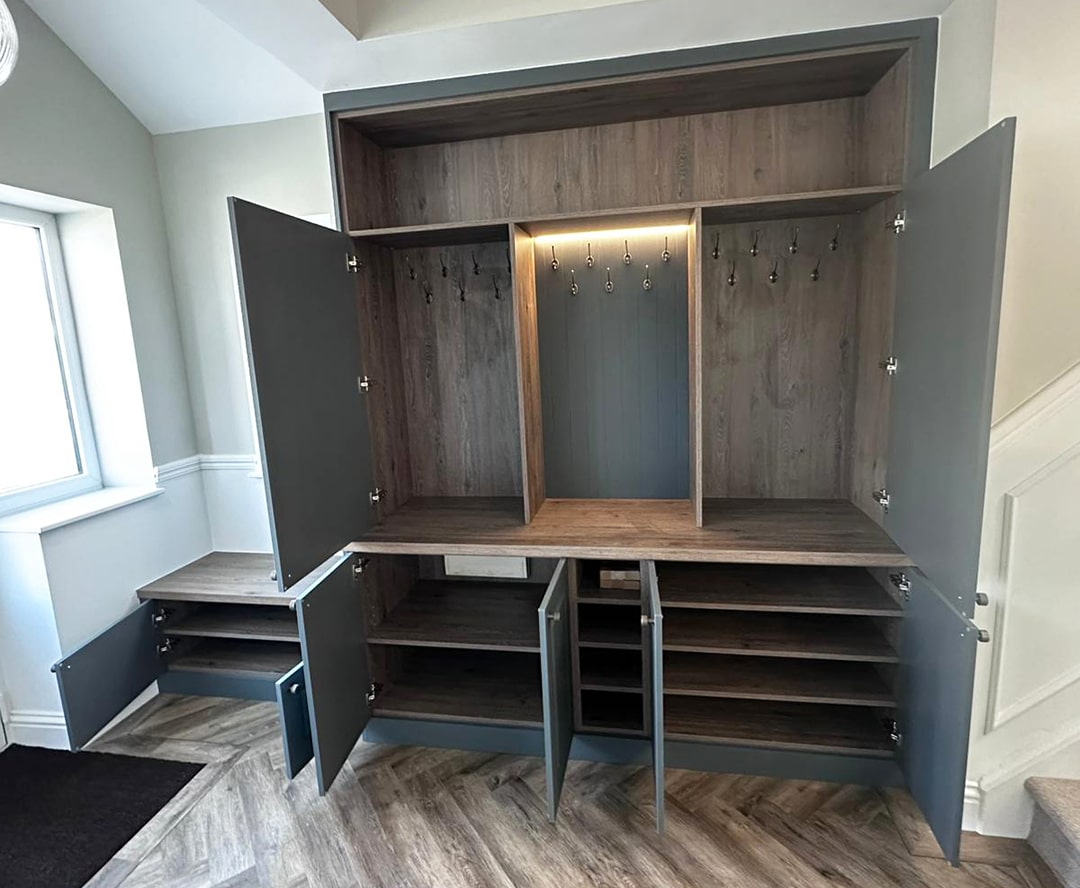
How To Be Eco-Friendly With Fitted Furniture At Home
You might not think it, but interior design actually has a relatively significant impact on the environment, with figures showing that it contributes to around 40 per cent of all global carbon emissions.
How could this be possible, you ask… after all, it’s just a bit of paint and just some home furnishings here and there. How could doing up the house have such a big impact on Mother Earth?
Well, if you consider that interior design forms part of the built environment, it becomes easier to understand how it could all start to add up.
Take into account, for example, the materials used, high furniture turnover, short-lived commercial fitouts, energy consumption, embodied carbon in the buildings themselves, VOC emissions that can impact indoor air quality, resource depletion and so on.
Prioritising green practices and sustainability is becoming more important as time goes on, with building standards and regulations tightening up, particularly for commercial properties.
Investigate the likes of BREEAM, LEED and WELL certifications to find out more about environmental, social and governance standards that could help inform your projects.
The added benefit, of course, of placing the environment at the heart of all your design decisions is that you’ll inevitably improve your own health and wellbeing at the same time.
By using natural materials, optimising the amount of natural light flooding the house, increasing views of nature and the great outdoors, focusing on biophilic design, bringing in low-toxicity finishes and so on, you’ll find your mental, emotional and physical health improves as a result.
So, with all this in mind, what do you need to consider when it comes to fitted furniture?
How to be eco-friendly with bespoke furniture design
Interestingly, one of the best ways to be more environmentally minded with home furnishings is to opt for fitted furniture.
Why? Because you can have it custom-made to fit any space you have at home, no matter how awkward. This means you can reduce material waste in ways that you can’t if you opt for manufactured freestanding wardrobes, desks and cupboards.
Furthermore, bespoke furniture is typically higher quality than you’ll find elsewhere and because it’s been specifically tailored to fit your home, it will last a lot longer than any mass-produced items… so don’t be tempted by the cheaper price tag as it’s almost certainly a false economy, bad for both your back pocket and the planet.
And, of course, much emphasis is placed on material choice where fitted furniture is concerned.
Here at Day & Knight, all our products are made using Forest Stewardship Council (FSC) certified materials and our component parts are sourced from eco-conscious suppliers like Hafele and Hettich.
Sustainable interior design materials to consider
- Bamboo, a fast-growing plant that requires no replanting, pesticides or significant amounts of water to thrive
- FSC-certified timber, which is sourced from responsibly managed forests to protect biodiversity, workers’ rights and indigenous rights
- Reclaimed timber, which reduces the need for new virgin resources and reduces landfill use
- Low-VOC finishes on paints, varnishes and adhesives, which will ensure better indoor air quality and less pollution
- LED lighting, which will reduce electricity consumption
- Repurposing existing elements instead of full replacements, using contemporary hardware or new finishes instead
How to design sustainable fitted furniture
Here are some top tips to help you get off on the right foot with your eco-friendly interior design decisions:
1. Choose sustainable timber
FSC-certified wood is an excellent choice and will make a significant difference to the overall carbon footprint of your project.
2. Source recycled materials
Talk to your design team to see if they can make use of any recycled materials as part of the design and build process. This can be anything from wood to plastic or even metal components.
3. Choose style over trend
It can be tempting to hit up all the latest trends, but these will likely fall out of fashion quite quickly and you may find you’re left with a piece that you no longer like. By going for classic designs, you won’t want to replace any items before their time… if ever.
4. Invest in quality
High-quality well-made furniture will last for decades, so your investment will pay for itself quickly and you won’t be left with home furnishings that fall apart after a year or two.
Inspired to start your project?
Book a free, no-obligation at-home design and quote with our friendly team today.